What Is a Sensory Garden?
When I first heard of a sensory garden, I initially thought, Well, aren't all gardens sensory?! And yes, I do believe that they are. However, I have learned that there is MUCH more to a sensory garden than I initially thought. SO much more!
I thought I understood sensory processing and what the different senses were. But when I started seeking support for my son, who has sensory processing challenges, I learned that our senses, and the way our bodies understand and respond to them, go much deeper than the five senses most of us learned about in school.
First of all, did you know that there are eight sensory systems? And that doesn't include Spidey sense!
The eight sensory systems include: auditory (hearing), visual (sight), tactile (touch), olfactory (smell), and gustatory (taste), along with three that aren't discussed as often: interoception, which helps us recognize internal body signals such as hunger, thirst, and temperature; the vestibular system, which helps us understand movement and balance; and proprioception, which tells us where our bodies are in space and how we're moving.
We've probably all heard of the first five. They're easier to recognize and label, but our sensory experiences don't stop there. As I've learned more, I've started connecting the dots to everyday experiences I never thought much about before. Take self-care, for example. We're constantly being told to take care of ourselves, practice self-love, and fill our cups first. But how often are we encouraged to recognize what our bodies are actually telling us? What we should really be doing first is understanding our Interception processing and sensory needs.
I digress! (Although, I think this is pretty important stuff.)
The deeper I go into this world of sensory processing, the more I want to understand it. And I'm sure you're asking, So, what does all of this have to do with gardening?
EVERYTHING!
Well, maybe not everything, but a whole lot more than I ever realized.
Sensory processing is the why behind the benefits of gardening.
Think about that feeling you get when you spend time in a garden. A garden offers opportunities to experience and explore many different kinds of sensory input all at once. Even simple activities, like watering plants or harvesting vegetables, can involve several sensory systems. And while a garden can't guarantee that we'll feel calm or connected, it can create opportunities to slow down and pay attention to the world around us.
Here's what I've come to understand: all gardens engage the senses, but a sensory garden is designed with those experiences in mind. It's about considering how the garden might feel to the people using it, what experiences they enjoy, and what might be overwhelming.
That's where intentional sensory garden planning comes in. It's not about stimulating every sense all the time. It's about creating a space that offers choices, accommodates different needs, and makes room for different ways of experiencing the world.
The Eight Senses in the Garden
When I started learning about the eight sensory systems, I began looking at gardens differently. I realized that a sensory-rich garden isn't just about fragrant flowers or interesting textures. But the other three senses matter, too. Walking along a garden path, digging in the soil, carrying a watering can, or stretching to reach a plant can involve movement, balance, and body awareness. Pausing in the shade to notice that we're thirsty or tired can help us pay attention to internal body signals.
The wonderful thing about a garden is that it can offer these experiences in many different ways. Some people may seek out hands-on activities, movement, and rich sensory input, while others may prefer quieter spaces, simpler surroundings, and fewer competing sounds or smells. A thoughtfully designed garden considers both. It might include edible plants, textured foliage, and winding paths, but it can also provide comfortable seating, shade, clear pathways, and a quiet place to retreat. There isn't one perfect sensory garden because there isn't one perfect sensory experience. The goal is to create a space that works for the people who use it, and that's something I'd love to explore in more detail in future posts.
How to Start Creating Your Own Sensory Garden
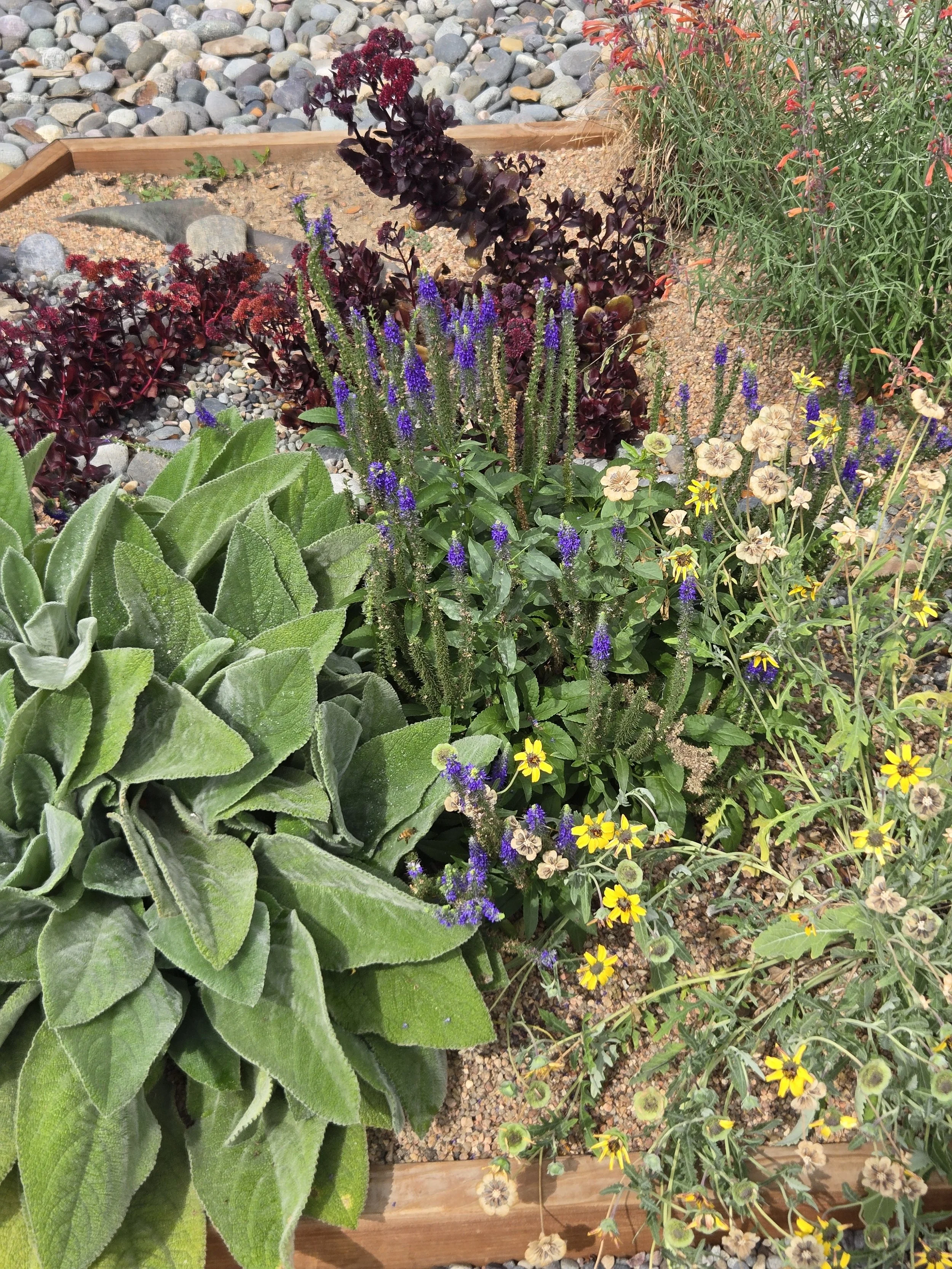
Happy Roots Sensory Garden Summer 2026
The good news is that you don't need a huge backyard, an elaborate design, or a big budget to start sensory gardening. You can begin with a few containers on a patio, a small section of an existing garden, or even a sunny windowsill. Start by thinking about the experiences you enjoy fragrant herbs, colorful flowers, etc.. Then consider what you'd rather avoid: strong fragrances, visual clutter, uncomfortable textures, you get the idea.
Think about how you want to use the space, too. Would you like somewhere to relax, a place for children to explore, a garden for growing food, or an outdoor space where the family can spend time together? Comfortable seating, shade, accessible paths, raised beds, and places to retreat can be just as important as the plants you choose. And, of course, here in Colorado, we need to consider our growing conditions, including intense sun, dry weather, temperature swings, and water availability. Choosing plants suited to our local climate helps create a garden that is both enjoyable and sustainable.
You don't have to address all eight senses at once. Start with what matters most to you, observe how you use the space, and make adjustments over time. The goal isn't to create a garden that stimulates every sense all the time. It's to create a garden that offers meaningful experiences and choices.
How Gardens & Such Can Help
This is where my work with Gardens & Such comes in. We approach garden consulting with a particular interest in how people experience the spaces around them. We believe gardens should be more than beautiful, they should be spaces that help us feel calm, connected, and curious.
That doesn't mean every garden needs to be labeled a sensory garden. It means we can be more intentional about how we design and use our outdoor spaces. During a Gardens & Such consultation, we can explore how you want to use your garden, which sensory experiences you'd like to encourage, and which ones might need to be reduced. We'll also consider your existing landscape, your budget, your maintenance preferences, and the growing conditions unique to Colorado.
Perhaps you'd like a backyard where your children can explore different textures and help grow vegetables. Maybe you want a quiet place to sit after a busy day, a waterwise perennial garden filled with pollinator activity, or a small patio that feels more inviting and engaging. You may want to create a garden from scratch, or you may simply need help rethinking the space you already have. Together, we can explore practical ways to make your garden work better for you and the people who share it.
Our approach combines sensory-aware thinking with Colorado-adapted landscape design. That means considering not only how a garden looks and feels, but also how it can thrive in our local conditions without demanding more water or maintenance than necessary. You don't need to know exactly what you want before we begin. Sometimes, the first step is simply talking through what isn't working in your current space and imagining what it could become.
Different minds. Growing spaces.
That's what Gardens & Such is all about.
Happy gardening,
Tara
Gardens & Such